
Bunion
That bony outgrowth on the inside of your big toe – the one causing all the redness, swelling, and lots of pain – that’s a bunion. More than an aesthetic nuisance, bunions can significantly impact mobility and quality of life. A bunion (medically known as hallux valgus) is a hard, bony bump that forms on the inside of the foot at the base of the big toe joint
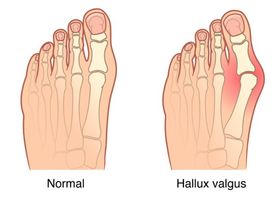
What is a Bunion?
A bunion, as noted by the American Podiatric Medical Association, is commonly referred to as a “bump” on the joint at the base of the big toe—the metatarsophalangeal (MTP) joint—that forms when the bone or tissue at the big toe joint moves out of place. The toe is forced to bend toward the others, causing an often painful lump of bone on the foot. This condition is medically known as hallux valgus.

What causes bunions
Bunions can develop due to a combination of factors, including:
Genetics:
Bunions have a strong hereditary component. Certain foot shapes and inherited structural defects can predispose individuals to developing bunions.
Footwear:
Wearing high-heeled shoes or shoes that are too tight or narrow can increase the risk of bunions or exacerbate existing ones.
Biomechanics:
Flat feet, high arches, abnormal walking patterns, and other foot mechanics can create an imbalance, putting undue stress on the big toe joint and promoting bunion development.
Arthritis:
Inflammatory arthritis conditions like rheumatoid arthritis can weaken the joints, increasing the risk of bunions.
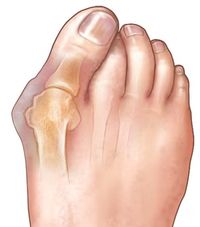
Symptoms
Bunions can cause a range of symptoms, which can vary from mild to severe. Some common symptoms include:
Bump at the base of the big toe:
The most visible sign of a bunion is the bony prominence on the side of the foot.
Pain or tenderness:
Bunions can cause discomfort and pain, particularly when walking, wearing shoes, or applying pressure to the affected area.
Swelling and redness:
Inflammation and irritation may occur around the bunion.
Restricted movement:
Some individuals may experience a decrease in the range of motion in the affected toe.
Treatments for Bunions
While bunions are a progressive condition that won’t disappear on their own, several treatment options can help manage the pain and slow down their progression. Some common approaches include:
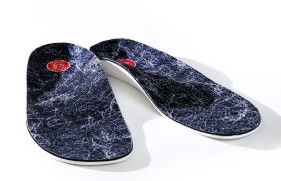
Orthotics: (Recommended)
Using custom or over-the-counter shoe inserts to improve foot mechanics and distribute support of the foot.
Footwear Changes:
Switching to shoes with wide and deep toe boxes to eliminate friction.
Padding and Spacers:
Using over-the-counter bunion cushions or gel toe separators to cushion the bump and reduce pressure.
Pain Relief:
Applying ice packs or taking nonsteroidal anti-inflammatory drugs (NSAIDs) for short-term inflammation control.
Surgery:
In severe or persistent cases where conservative care fails, a foot and ankle surgeon can perform an operation (osteotomy) to cut and realign the bone, secure it with screws or plates, and relieve pain.